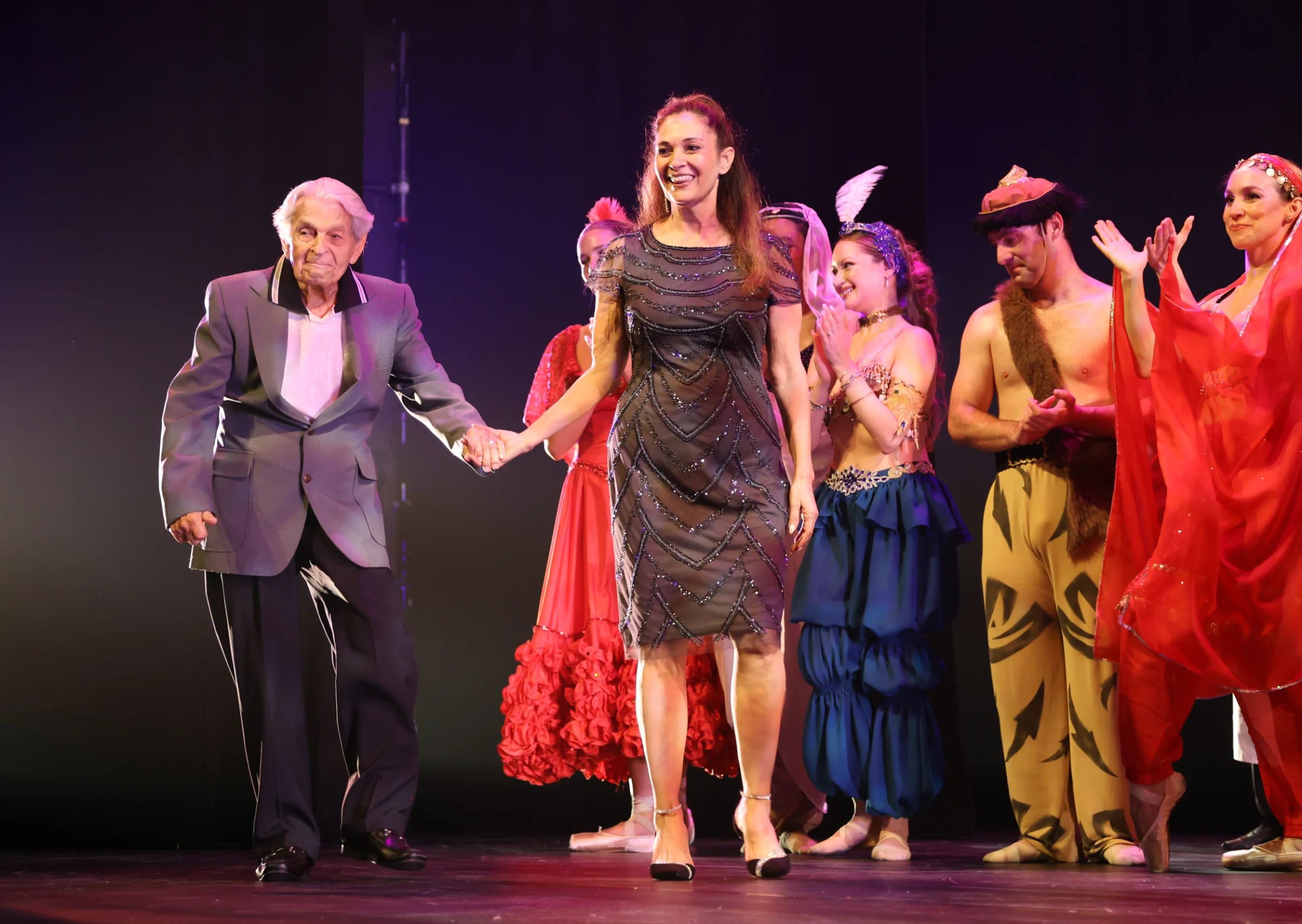
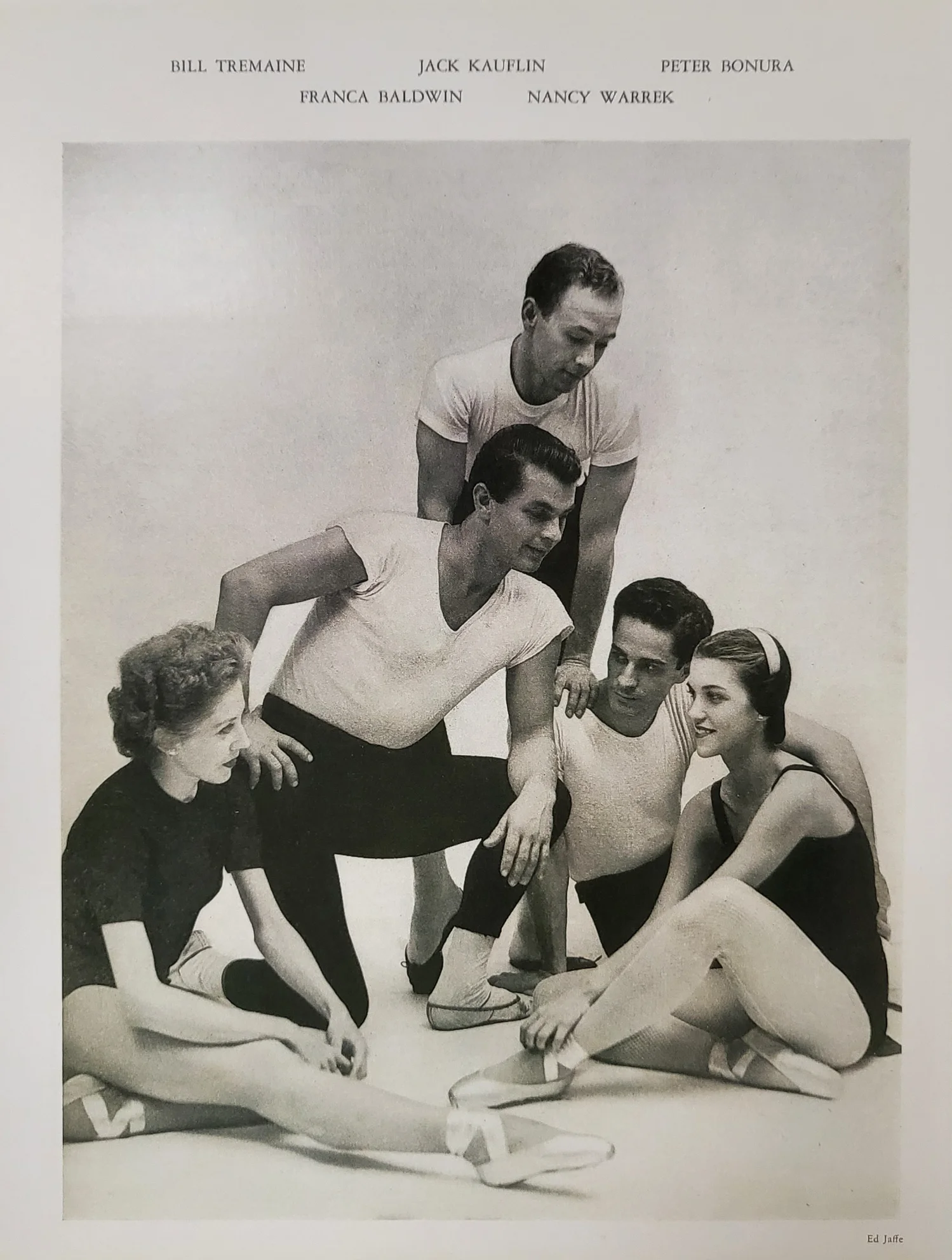
On August 23, the Eli and Edythe BroadStage in Santa Monica filled with something that does not happen often. Not just a performance, but a reckoning with time. Pacific Ballet Theatre presented "A Ballet Russe Gala Centennial," a tribute to founder Andrei "Bill" Tremaine on the occasion of his 100th birthday, and the evening carried the particular weight of a living history making itself visible.
Tremaine is the oldest living member of the Ballet Russe de Monte Carlo. He is also, by any measure, one of the most remarkable figures in the Los Angeles dance world, a man whose career touched Picasso, Matisse and Dali, who danced alongside legends, fell in love with an opera singer's photograph, and then quietly built a ballet legacy in Southern California that has outlasted nearly everything around it. To celebrate a century of that life, his daughter and Pacific Ballet Theatre executive director Natasha Middleton gathered the company's current dancers to perform selections from ballets Tremaine either danced as a principal or later directed himself.
"It's an honor to celebrate my father as a centenarian this year," Middleton said. "His work has made a mark all over the world and especially in the Los Angeles area."
A Life Built on Movement
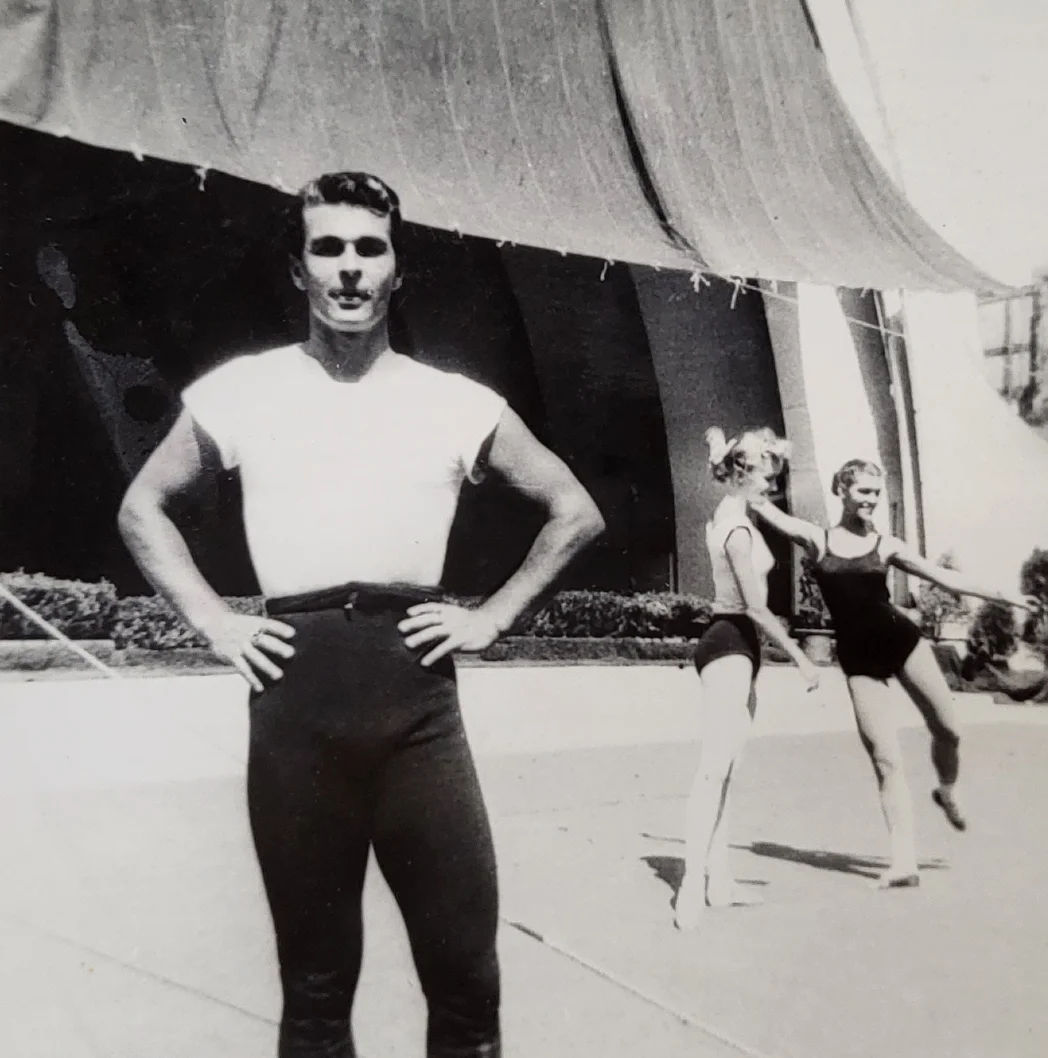
Tremaine's path into ballet was, by his own admission, not entirely voluntary. Born in Europe to ballerina Elena Wortova, who performed with the Ballet Russe de Basil, he was practically surrounded by dance from birth. His mother dragged him to class against his will. He quickly changed his mind when he realized he was the only boy in a room full of girls.
What followed was a formation that few dancers in history have matched. His teacher was Bronislava Nijinska, sister of the legendary Vaslav Nijinsky and a former dancer and choreographer with the original Ballet Russes. She drew Tremaine under her wing in Los Angeles, an unlikely city for such a transmission, and prepared him for something he considered a long shot.
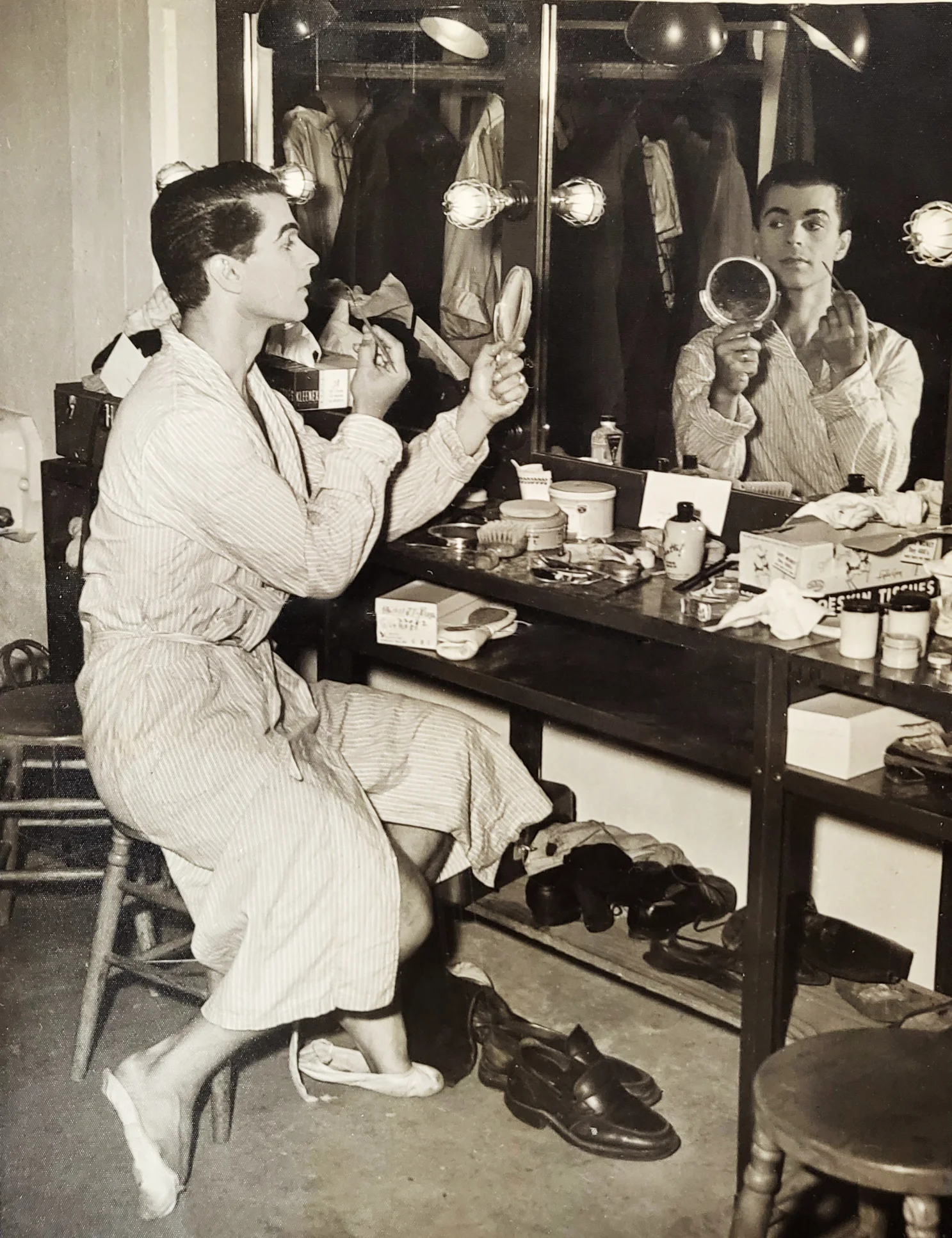
In the spring of 1951, he auditioned for the Ballet Russe de Monte Carlo during their tour. That night, a telegram arrived. He was to get on a plane the next day. Within 24 hours he was in a New York City studio, learning an entire repertoire alongside some of the most celebrated dancers of his era. He described it as "a very sweaty day showing off my best points and best jumps."
He earned his place.
Vodka with Matisse, and Other Encounters
Touring with the Ballet Russe de Monte Carlo meant more than dancing. The original company had commissioned music from Stravinsky and Debussy and collaborated on set design with Dali, Matisse and Picasso. Tremaine found himself sharing space with those legacies in ways that still read as almost improbable.
He recalls seeing Picasso on stage during a tech rehearsal in Paris, shirtless and shoeless, drinking vodka while refining his backdrop with absolute authority. Dali remained dignified and distant. Matisse, as it turned out, was the most sociable of the three. Because Tremaine spoke French, Matisse pulled him into conversation readily.
"I was in New York with Ballet Russe on West 56th near Carnegie Hall," Tremaine recalls. "Matisse was in town visiting and wasn't in the best health. After rehearsal, Matisse, myself, Sergei Denham, Leonide Massine, Michel Katcharoff, and Fredrick Franklin all got together to toast the artist with several vodka shots. Matisse laughed a lot in French about working with Diaghilev."
His most treasured stage memories are quieter. His favorite role was Prince Siegfried in Swan Lake, for the depth of character it required. His more harrowing memories include nearly losing his grip on legendary ballerina Alexandra Danilova during a lift, a moment he recounts with characteristic good humor.
Coming Home
After his time with the Ballet Russe de Monte Carlo, Tremaine made a decision that shaped everything that followed. He fell in love with a woman he first encountered only in a newspaper photograph, professional opera singer Natalie Garrotto. In a stroke of luck that sounds invented, his stepfather happened to be buying a used Buick from Natalie's family. The rest, as he tells it, is history.
He returned to Santa Monica in 1954, founded the Santa Monica Civic Ballet, and began building what is now described as the longest continuously running ballet school and professional company in Los Angeles. He danced for MGM, learned lighting design from director James Whale, and eventually brought his daughter Natasha into the studio before she could walk. She trained under him, pursued her own ballet career, and ultimately took over the company, now known as Pacific Ballet Theatre, which is based in Burbank.
The Gala
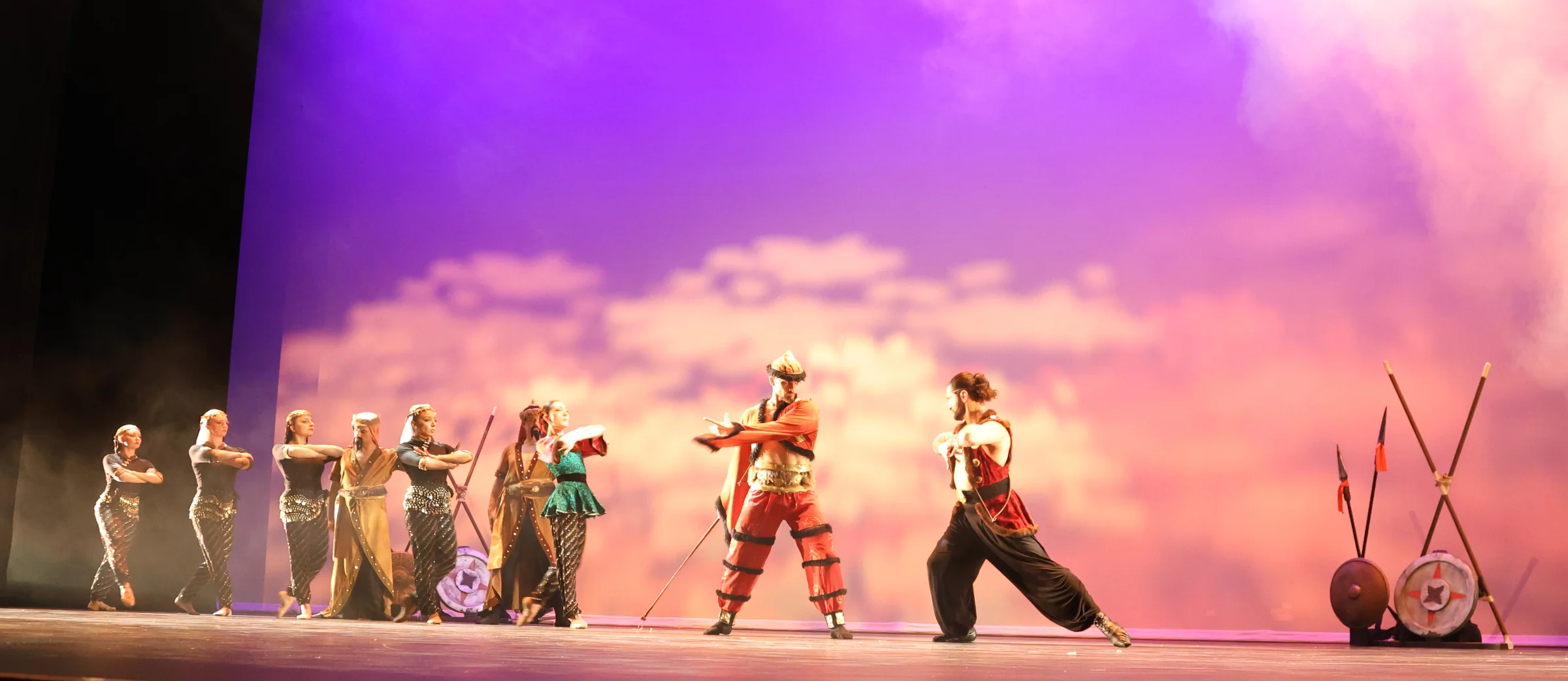
The August 23 program at BroadStage included the Firebird Pas de Deux, the Snow Pas de Deux from the Nutcracker, selections from Raymonda and Gaite Parisienne, and the Polovtsian dances from Prince Igor. A short film chronicling Tremaine's life screened that evening, including footage of his Ballet Russe de Monte Carlo performances. The night closed with the presentation of an award recognizing his contributions to the arts in Los Angeles since 1954.
"My dancers are thrilled to be performing for him and to such different and authentic ballets," Middleton said. "They don't dance like this anymore. Storytelling."
The BroadStage itself carries personal meaning for the Tremaine family. Middleton grew up visiting her grandparents nearby, and remembers playing on a swing set across the street from where the building now stands. That the centennial celebration happened on that very ground felt right.
"You put all your time into heavy classes and sweaty rehearsals, and then you go out and if you did it right and get that applause, it somehow answers what you did it for."
-- Andrei Tremaine
Tremaine himself remains vivacious and devoted to his craft. Asked what kept him connected to dance across a century, his answer echoes something he said long ago about performing: it is the applause, hard-earned, that answers the question of why any of it was worth doing.
One hundred years in, the applause at BroadStage confirmed it.