Burbank Escapes
Desert Light
A Fall Weekend in Joshua Tree
Two hours from Burbank, one of the most singular landscapes in California gets even better when the heat breaks.
By Burbank Hills Living · 8 min read
Joshua Tree is a place that divides people the first time they see it. Some find the landscape stark and disorienting. Others find it immediately, almost inexplicably, compelling. The second group tends to go back.
What most people who visit only in summer miss is how different the park becomes in fall. The brutal daytime heat that makes July hiking inadvisable drops into the low 80s in October and the 60s by November. The nights turn genuinely cold. The crowds thin considerably once school is back in session. And the desert light, always interesting, takes on a warmth and depth in autumn that photographers and painters have been chasing for decades.
From Burbank, Joshua Tree is about two hours east on the 10 freeway. It is a manageable Friday afternoon drive that deposits you in a landscape that feels about as far from the San Fernando Valley as anything within easy reach of it.
Why Fall Is the Right Time
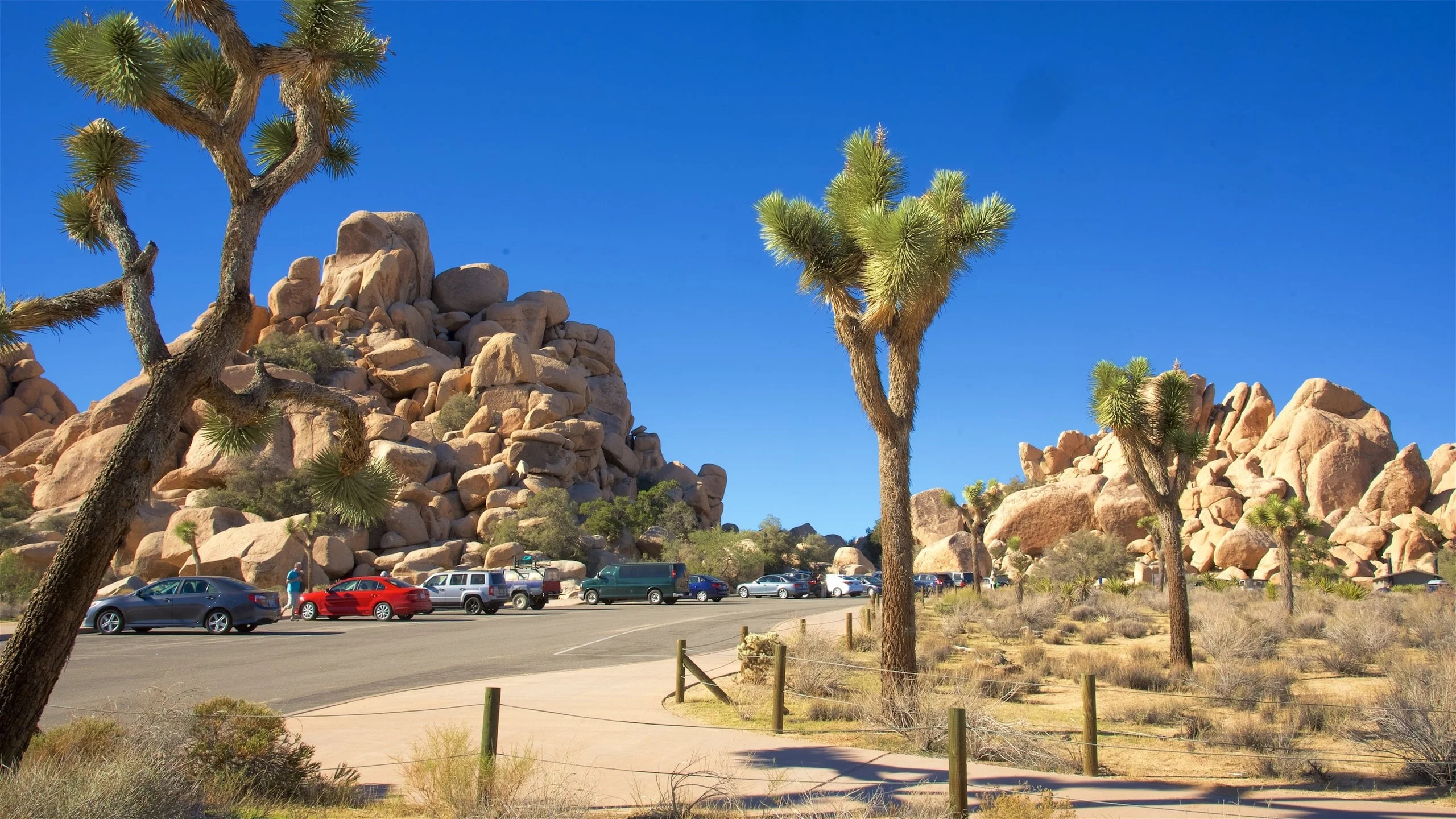
Joshua Tree National Park spans two distinct desert ecosystems: the higher Mojave Desert in the west and the lower Colorado Desert in the east. In summer, both are punishing. In fall, the Mojave section in particular becomes genuinely comfortable for hiking, which is the primary reason to be there.
Daytime temperatures in October average in the low to mid-80s at lower elevations and drop into the 70s at the higher west end of the park. By November those numbers fall further, and mornings and evenings require real layers. That temperature range is ideal for long hikes, unhurried exploration, and the kind of stargazing that Joshua Tree is famous for.
The park is a designated International Dark Sky Park. On a clear fall night, away from any artificial light, the Milky Way is visible with the naked eye in a way that is genuinely startling for anyone who has spent most of their life near a city. Bring a blanket and plan to be outside after dark.
What to Do
Hiking
The park has trails for every ability level. The Hidden Valley Trail is a one-mile loop through a rock formation that feels like a natural amphitheater and is manageable for almost anyone. Barker Dam adds another mile to that loop and leads to a small reservoir that, depending on rainfall, can reflect the surrounding boulders and sky in ways that stop people mid-step.
For something more demanding, Ryan Mountain offers a 360-degree panoramic view of the park from its summit and is typically done in about two hours round trip. The elevation gain is real but the trail is well-maintained. Fall temperatures make the exposed sections of the climb significantly less unpleasant than they would be in warmer months.
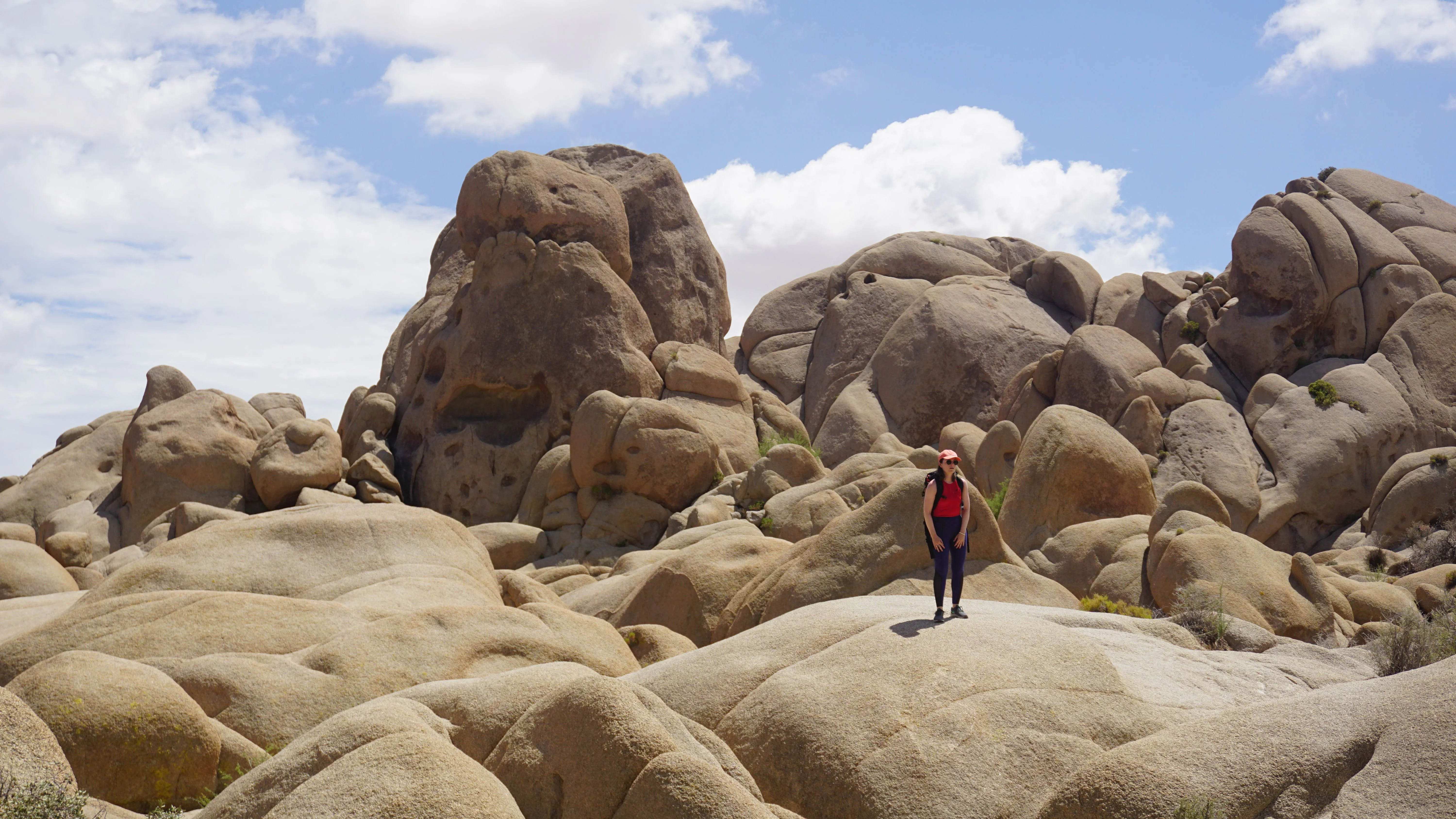
Skull Rock, accessible from the Jumbo Rocks campground area, is worth a stop for the surreal quality of the boulder formations and the easy walking loop around them.
Rock Climbing
Joshua Tree has one of the most active rock climbing communities in the country. The park's granite formations attract climbers at every level, and the fall season is peak climbing season for exactly the same reasons it is peak hiking season. If you have climbing experience, the park's visitor center can point you toward appropriate routes. If you are curious but new to it, several guide services in the gateway towns offer introductory sessions.
The Cholla Cactus Garden
On the eastern side of the park in the Colorado Desert section, the Cholla Cactus Garden is a flat, short walk through a dense concentration of teddy bear chollas that catch the low fall light in an almost luminous way. It is one of those places that photographs dramatically and looks even better in person. Go in the late afternoon.
Stargazing
Plan at least one night around it. The park's remote location and high elevation combine to produce some of the darkest skies accessible from Southern California. The Jumbo Rocks area is a popular spot. If you want guidance, the Wonderland of Rocks area near Barker Dam offers open sightlines and minimal foot traffic after dark.
The Gateway Towns
The town of Joshua Tree and the adjacent community of Yucca Valley sit just outside the park's north entrance and offer most of the area's lodging, restaurants, and services.
The Joshua Tree Saloon on Park Boulevard is a reliable local institution for a casual dinner and a beer after a day in the park. Crossroads Cafe in the town of Joshua Tree is a longtime favorite for breakfast and lunch. The restaurant scene in the gateway towns has grown considerably over the past decade as the area has attracted artists and design-minded visitors alongside the climbers and hikers who have always been there.
Lodging ranges from basic motels to architecturally distinctive vacation rental cabins and Airstreams that have become something of a local aesthetic. The more characterful options book up well ahead for fall weekends. If you want a cabin with a view and an outdoor fire pit, plan at least three to four weeks ahead.
What to Bring
The desert's temperature swings in fall are larger than most visitors expect. A day that starts at 55 degrees can reach 82 by early afternoon and drop back to 45 after sunset. Layering is essential. So is water. Even in comfortable temperatures, the dry desert air causes dehydration faster than most people realize. A liter per hour of hiking is the standard recommendation.
Sun protection matters even in fall. The desert sun at elevation is direct and relentless, and the cooling air can mask how much exposure you are getting. Sunscreen, a hat, and sunglasses are not optional.
Cell service is limited to nonexistent in much of the park. Download offline maps before you leave and do not rely on navigation once you are inside the boundaries.
A Two-Night Itinerary
Friday: Leave Burbank by 3:00 p.m. to beat the worst of the eastbound freeway traffic. Arrive in the gateway towns by early evening, check in, and have dinner locally.
Saturday: Enter the park at the north entrance early. Hike Hidden Valley and Barker Dam in the morning before the day warms. Lunch in Yucca Valley. Return to the park for the Cholla Cactus Garden in late afternoon light. Dinner and stargazing after dark.
Sunday: Ryan Mountain for the panoramic view in the morning cool. Exit through the south entrance toward I-10 for the return to Burbank.
Burbank Escapes is Burbank Hills Living's guide to the best getaways from our corner of the valley.