Regenerative Medicine
Exosomes
The Next Frontier in Regenerative Medicine
Scientists are calling them one of the most exciting developments in modern medicine. Here is what they actually are and why the wellness world is paying close attention.
By Burbank Hills Living · 6 min read
Every few years, something emerges from the research labs that genuinely changes how physicians think about healing. Stem cell therapy was one. Platelet-rich plasma was another. Now, quietly but with growing momentum, exosomes are making their way from academic journals into clinical practice, and the implications for regenerative medicine and longevity are significant enough to warrant serious attention.
The science is still developing. The regulatory landscape is still catching up. But the underlying biology is compelling, and for anyone interested in where medicine is heading, exosomes are worth understanding now.
What Exosomes Actually Are
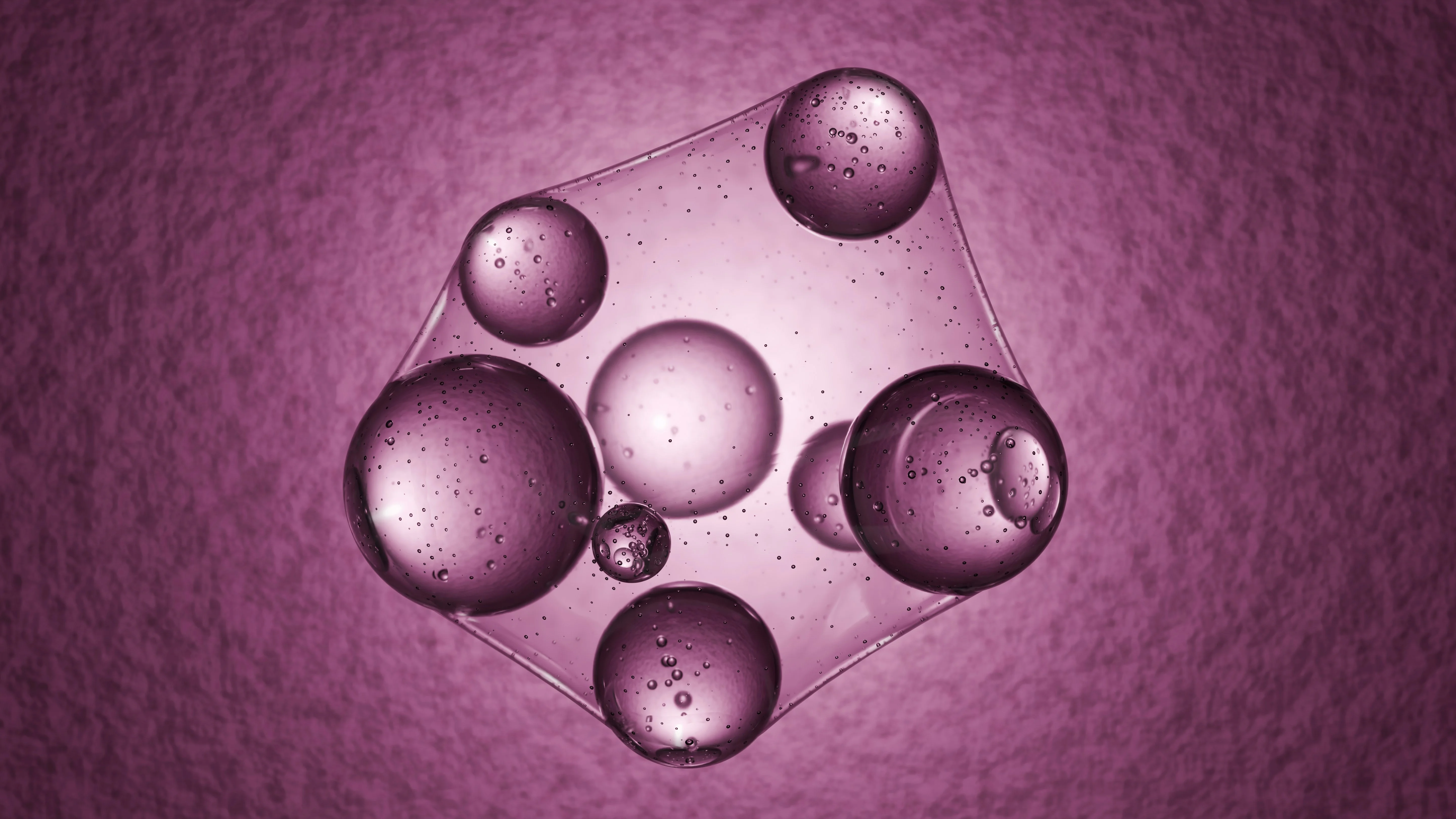
Your cells are constantly communicating with each other. They do this in part by releasing tiny packages called extracellular vesicles, and exosomes are a specific type of these vesicles. They are extraordinarily small, roughly one thousandth the width of a human hair, and they carry biological cargo: proteins, lipids, and genetic material, particularly RNA, that can influence the behavior of cells they encounter.
Think of them as the body's internal messaging system. When a cell releases an exosome, it is essentially sending a set of instructions to neighboring or distant cells. Those instructions might tell a cell to reduce inflammation, initiate repair, regulate immune response, or any number of other functions.
In a healthy, young body, this communication system runs efficiently. As we age, the signals become less precise and the messaging less effective. The premise of exosome therapy is that introducing exosomes from healthy donor cells, typically derived from mesenchymal stem cells, can restore clearer communication and prompt the body's own regenerative processes to become more active.
What the Research Shows
The exosome field is moving quickly. Research published in recent years has identified promising applications across several areas:
Tissue Repair and Wound Healing
Exosomes have shown strong results in accelerating the healing of damaged tissue. They promote the migration of repair cells to injury sites, stimulate collagen production, and modulate the inflammatory response in ways that support rather than hinder recovery.
Skin Regeneration and Aesthetics
In dermatology, exosomes are being studied and applied for skin rejuvenation, scar reduction, and hair restoration. Early clinical results have been encouraging enough that aesthetic medicine has moved faster than most fields in adopting exosome-based treatments, even while formal regulatory approval remains a work in progress.
Neurological Applications
Some of the most intriguing research involves the nervous system. Exosomes appear capable of crossing the blood-brain barrier, something most conventional therapies cannot do. Studies are exploring their potential in supporting recovery from traumatic brain injury, stroke, and neurodegenerative conditions. This is early-stage research, but the implications are considerable.
Inflammation and Immune Modulation
Chronic inflammation is understood as a root driver of most age-related disease. Exosomes derived from mesenchymal stem cells have demonstrated an ability to quiet inflammatory signaling without suppressing the immune system broadly, a distinction that matters clinically.
Where Things Currently Stand
It is important to be clear about what is established and what is still being worked out.
Exosome therapy is not yet FDA-approved as a standalone treatment in the United States. The agency has taken a cautious stance, noting that while the science is promising, standardized protocols for isolation, characterization, and dosing are still being developed. The market is projected to grow substantially over the next decade as that science matures, but right now the field exists in a space where clinical application is running ahead of formal regulatory approval.
That does not mean the therapy is unsafe or without merit. It means that quality varies significantly depending on where the exosomes are sourced, how they are processed, and how the clinic administering them operates. As with peptide therapy, the reputation and rigor of the provider matters enormously.
Reputable clinics working in this space will be transparent about the source of their exosomes, the concentration being used, and the current state of the evidence. They will not promise outcomes the science cannot yet guarantee.
Why This Matters for Longevity
The reason exosomes have captured the attention of longevity researchers is that they operate at a fundamental level of cellular communication. Most conventional medicine addresses symptoms or intervenes after disease has established itself. Exosome therapy, at its most ambitious, is aimed at something different: maintaining the quality of cellular signaling that keeps the body repairing, regulating, and functioning well in the first place.
That is a meaningful distinction. It represents a shift from treating illness to genuinely supporting biological resilience over time.
The U.S. market for exosome-based therapies is projected to grow from roughly $20 million in 2025 to nearly $90 million by 2035. That trajectory reflects not hype alone, but a genuine accumulation of research suggesting this technology has a real clinical future.
What to Ask Before Pursuing Treatment
If you are curious about exosome therapy and considering a consultation, these are the questions worth asking any clinic:
- What is the source of the exosomes, and how are they processed and stored?
- What concentration is being used and why?
- What outcomes are realistic based on current evidence for my specific concern?
- How does this fit into a broader treatment plan?
A practitioner who answers these questions directly and honestly, including acknowledging the limits of current evidence, is one worth listening to. One who promises dramatic results without qualification is not.
The Bottom Line
Exosomes represent one of the most genuinely interesting developments in regenerative medicine in a generation. The science is real, the applications are expanding, and the clinical results in specific areas are promising enough that dismissing this as a wellness fad would be a mistake.
At the same time, this is a field in active development. The patients who will benefit most are those who approach it with curiosity and discernment, working with qualified practitioners who respect both the potential and the limits of what is currently known.
The frontier in medicine has always belonged to those willing to pay attention before everyone else does. In 2026, exosomes are worth paying attention to.
This article is for informational purposes only and does not constitute medical advice. Consult a qualified physician before pursuing any regenerative medicine treatment.