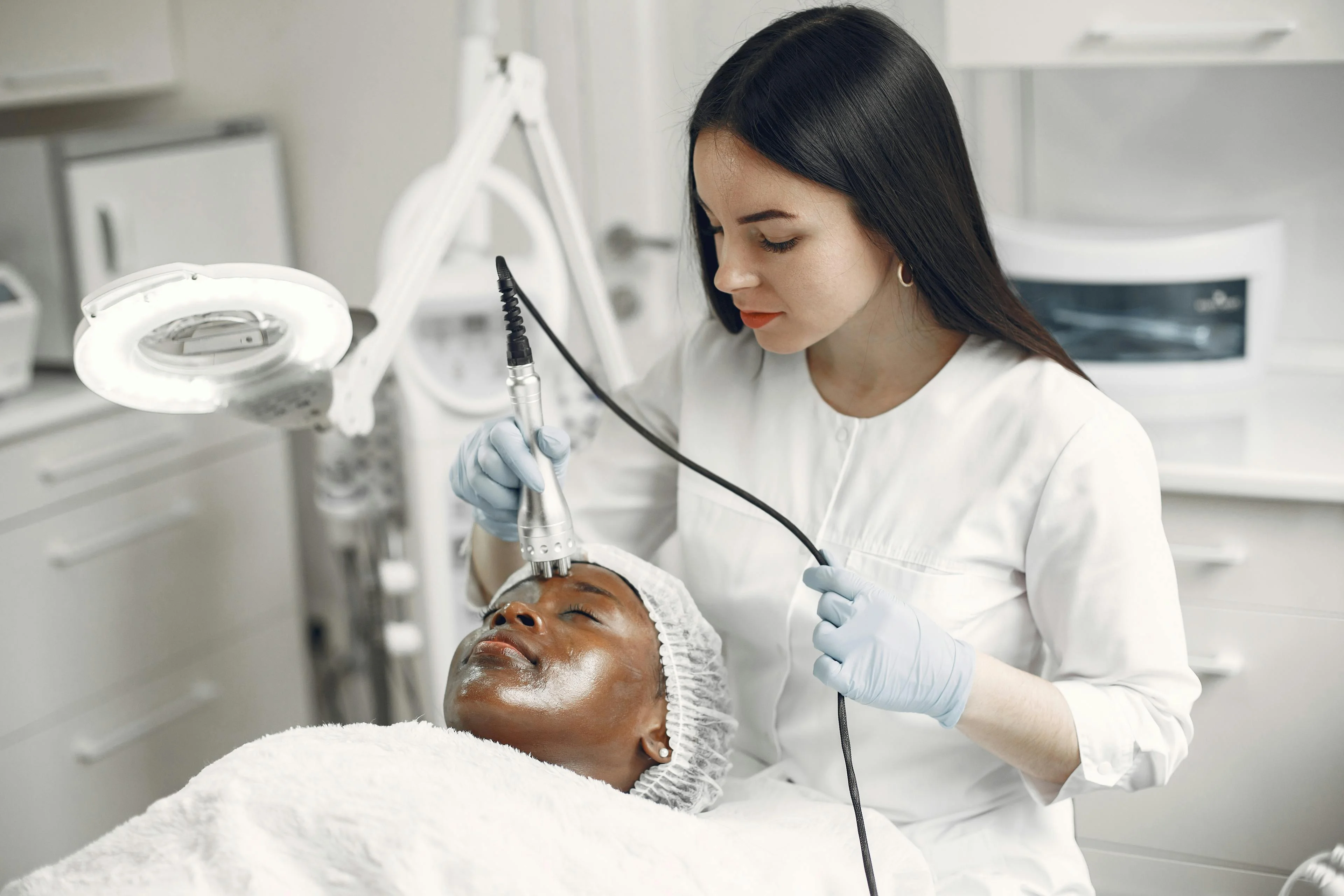
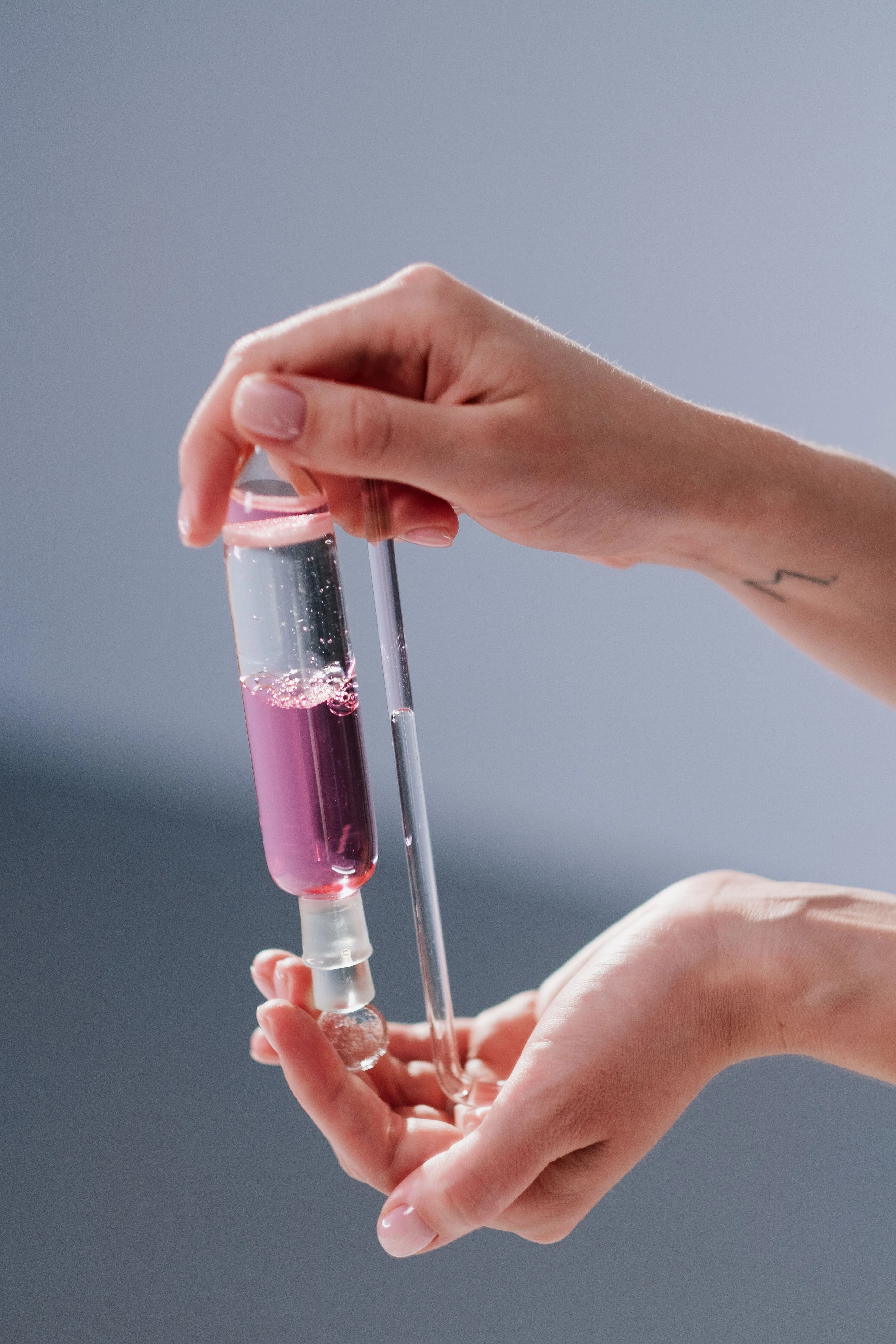
If you have spent any time in wellness circles lately, you have probably heard the word peptides. It shows up in conversations about weight loss, athletic recovery, skin health, and hormone optimization. Clinics offering peptide therapy have quietly become a fixture in cities like Burbank, tucked between traditional medical offices and med spas. But for most people, the science behind the term remains fuzzy.
Here is what you actually need to know.
Start with the Basics
Peptides are short chains of amino acids, the same building blocks that make up proteins. Your body produces them naturally and uses them as signaling molecules, tiny messengers that tell cells what to do. They regulate everything from inflammation and tissue repair to hormone release and immune function.
Peptide therapy works on a simple premise: as we age, our bodies produce fewer of these signals. Introducing specific peptides, either through injection, topical application, or oral supplementation, can prompt the body to resume functions it has slowed down.
Think of it less as adding a foreign substance and more as reminding your body of something it already knows how to do.
The Peptides You Are Most Likely to Hear About
BPC-157
Derived from a protein found in gastric juice, BPC-157 has attracted attention for its ability to accelerate tissue healing. Research suggests it promotes the formation of new blood vessels, supports collagen production, and reduces inflammation. It is popular among people recovering from injury, dealing with joint pain, or managing gut issues.
CJC-1295 and Ipamorelin
These two are often used together. CJC-1295 is an analog of growth hormone releasing hormone, meaning it extends the body's natural growth hormone pulse. Ipamorelin triggers a clean, selective release of growth hormone without spiking cortisol or prolactin. Combined, they produce a stronger and more sustained effect than either alone. This pairing is commonly used for fat loss, muscle support, improved sleep, and general anti-aging goals.
GHK-Cu (Copper Peptide)
This naturally occurring peptide has a strong track record in skin health. It stimulates fibroblasts to produce collagen and elastin, supports wound healing, and modulates inflammation. It appears in both injectable protocols and topical skincare, making it one of the more accessible entry points into peptide therapy for people not yet ready for injections.
What People Are Actually Using It For
The most common reasons people seek out peptide therapy in a clinical setting include:
- Stubborn body composition that does not respond to diet and exercise alone
- Recovery from sports injuries or surgery
- Declining energy and sleep quality associated with aging
- Skin laxity and collagen loss
- Hormone imbalances, particularly in growth hormone and related pathways
Results vary depending on the peptide, the protocol, and the individual. This is not a shortcut, and reputable clinics are clear about that. It is a tool, and like any tool, it works best when it is part of a broader approach to health.
What to Look for in a Clinic
Not all peptide therapy is created equal. Before committing to a protocol, ask the right questions:
Is there a physician overseeing your care? Peptide therapy should be medically supervised. A clinic that prescribes without bloodwork or a thorough intake is a red flag.
Are the peptides pharmaceutical grade? Quality and purity matter. Ask where the peptides are sourced and whether they are compounded by an accredited pharmacy.
Do they customize protocols? A one-size-fits-all approach does not reflect how peptide therapy actually works. Your protocol should be based on your specific labs, goals, and health history.
Are they transparent about what is and is not established science? The honest answer in this field is that some peptides have robust human research behind them, and some are more promising than proven. A good clinician will tell you the difference.
Is It Right for You?
Peptide therapy is not for everyone, and it is not a replacement for foundational health habits. But for people who have done the basics well and are looking for a more targeted approach to how they feel and age, it represents a genuinely interesting frontier.
Burbank has several clinics now operating in this space. If you are curious, the best first step is a consultation with a physician who can look at your full picture before recommending anything specific.
The conversation in wellness has shifted from simply avoiding illness to actively optimizing how we live. Peptide therapy is one of the clearer expressions of that shift, and it is worth understanding on its own terms.
As with any medical treatment, consult a qualified physician before beginning peptide therapy. This article is for informational purposes only.