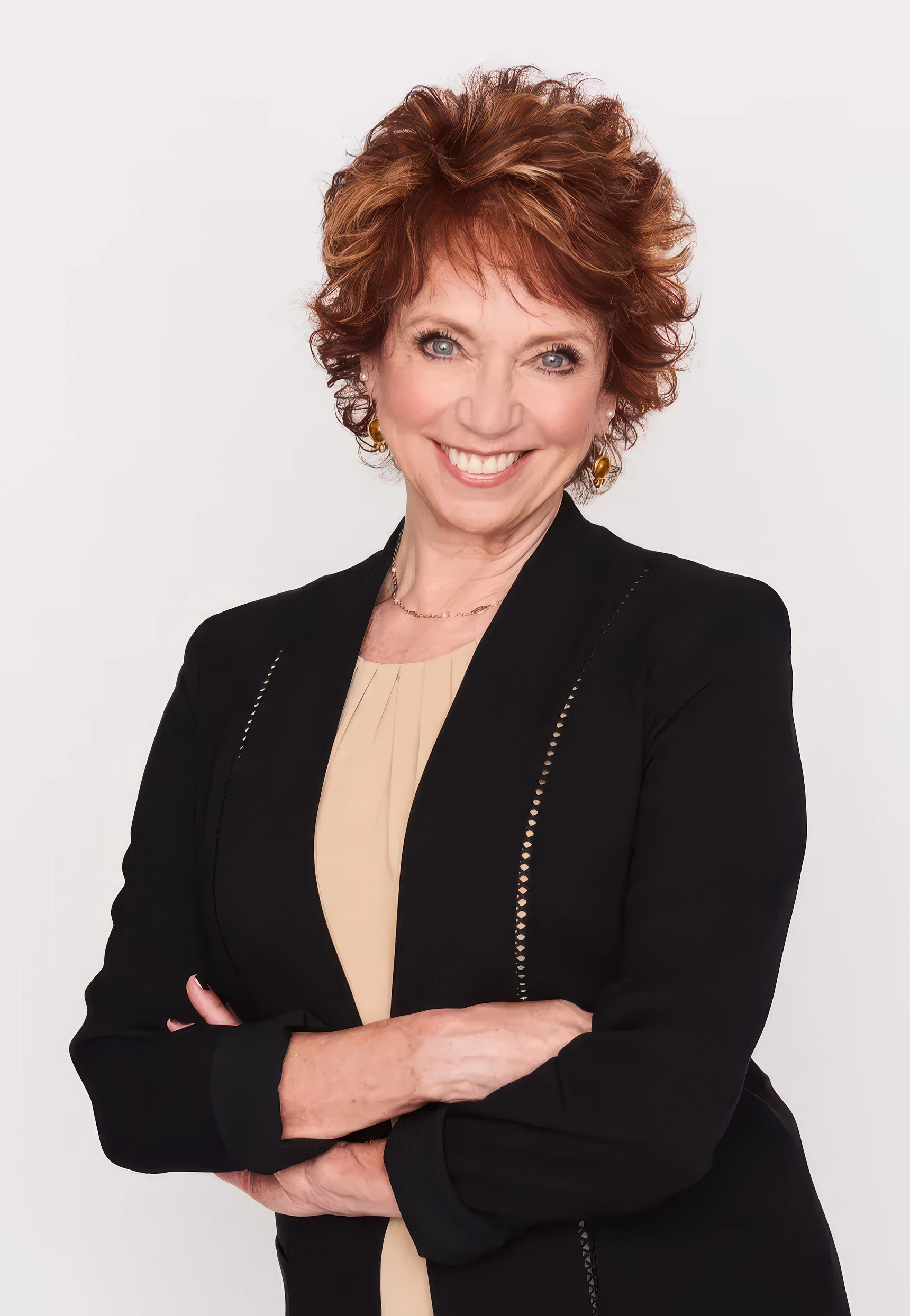
Barbara Daoust is the kind of person who speaks about success without making it sound simple. She has studied it, taught it, and at one of the hardest points in her life, had to find her way back to it from scratch. That combination of expertise and lived experience is what makes a conversation with her feel different from most.
Daoust is a success coach, speaker, and former theater director who works with entrepreneurs, executives, and creative professionals. She helps people close the gap between where they are and where they genuinely want to be, not just in their careers, but in how they see themselves and what they believe they deserve.
"I see personal success as something you compose with intention, vision, and conscious design," she said. "It begins with the moment we choose who we are becoming."
A Career Built on Understanding People
Daoust grew up in Montreal with what she describes as "a deep curiosity about human potential." That curiosity led her first into theater. She founded a theatre company in San Francisco, had a show produced at the Kennedy Center before the age of thirty, earned her MFA in Directing from UCLA, and later spent years coaching young performers while founding an acting academy for young professionals.
Directing and coaching, she found, were really the same work underneath. Both required understanding how people operate from the inside.
"Through this work, I witnessed how powerfully identity shapes behavior and results," she said.
What interested her most was not achievement for its own sake, but the relationship between how people see themselves and what they are actually able to do. That question eventually became the center of everything she teaches.
The Turning Point
The shift that shaped her current work came through personal loss. The sudden death of her husband forced a reckoning she had not anticipated.
"That experience led me on a profound journey studying spiritual psychology, quantum physics, and success principles," she said. "I realized that despite my achievements, I had been living from fear-based thinking and undervaluing my own worth."
That admission matters. It is one thing to hear someone talk about success after reaching it. It is another to hear someone acknowledge that real achievement can still coexist with self-doubt and misalignment. She was not speaking from a place of having figured it all out early. She had to rebuild her own foundation, and that process became the basis for the work she now does with others.
What Actually Gets in the Way
Daoust is direct about the patterns she sees most often, and they are not what most people expect. The biggest obstacles are rarely practical.
"One of the most common barriers I see among high-achieving individuals is a subtle but powerful form of self-sabotage: the belief that their value is tied solely to external validation or visible results," she said. "They've achieved a great deal yet still feel not enough. Not talented enough, not deserving enough, not recognized enough."
She also points to perfectionism as a recurring trap, the conviction that every step must be flawless before it is worth taking. For many driven people, that belief keeps them stuck longer than any external obstacle ever could.
Her work is about replacing those patterns with something more grounded. Not motivation, but a genuine shift in how people understand their own worth.
From Vision to Action
One of the most practical aspects of her approach is how she helps people move from wanting change to actually making it. Many people have a clear sense of what they want. Far fewer know how to bridge that gap consistently.
"My approach is to help individuals anchor their ambition in clarity, strategy, identity, and bold action. I begin by guiding clients to step fully into their future self, the version of themselves who already embodies the results they desire."
She is careful to point out that structure and spontaneity are not opposites. The goal is not to flatten someone's instincts with process, but to give those instincts a reliable path forward.
The Longer View
When the conversation turns to legacy, Daoust is equally grounded. She is not interested in legacy as monument or resume.
"True legacy isn't measured by accomplishments alone," she said. "It's about the mark we leave on the people, ideas, and systems we touch."
Her broader hope is to shift how people define what success actually means.
"True success is not only what we achieve, but who we become in the process and the legacy we leave behind."
It is a simple idea, but she has earned it the hard way. And that, more than anything, is what makes it worth hearing.